

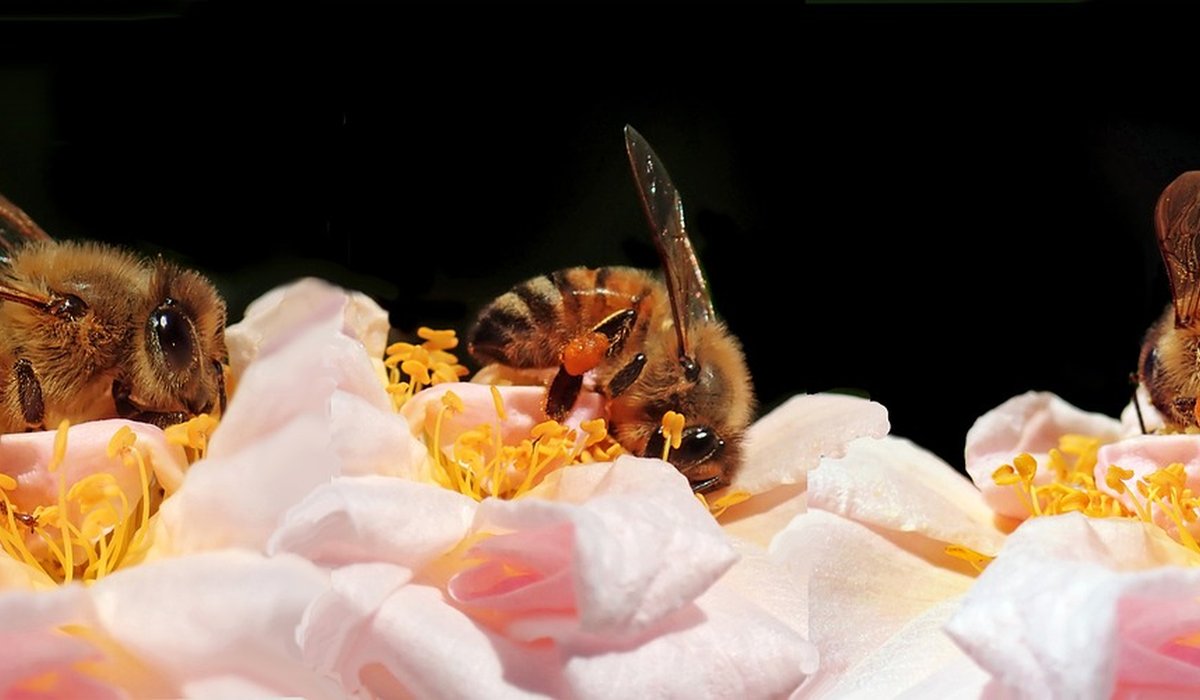
Why a patio meadow works
You do not need a paddock to grow a wildflower meadow. A few decent-sized pots on a sunny balcony or patio can hold a genuine little patch of native planting, and it will pull in bees, hoverflies, butterflies and moths from the streets around. The trick is to accept that a container is not a miniature field. Roots have far less soil to explore, so plants that sulk in dry weather will sulk far faster in a pot. Choose compact, drought tolerant species, plant them generously, and water with a bit of thought rather than a daily sprinkle.
Choose compact, drought tolerant flowers
Aim for a mix of low perennials for structure and a few annuals for quick colour in the first summer.
- Wild thyme and selfheal — low and creeping, superb for tiny pots and bare patches between taller plants.
- Bird's-foot trefoil and kidney vetch — clover-like, deep-rooted and loved by bumblebees.
- Harebell — dainty blue bells on wiry stems, perfectly happy in a gritty mix.
- Salad burnet and wild marjoram — aromatic, drought-proof once established and useful for cooking.
- Common knapweed, field scabious and ox-eye daisy — taller, so place them in the middle or back of a large pot.
- Cornflower, field poppy and corn marigold — annuals that flower within weeks of sowing.
Skip yellow rattle in containers: it needs grass roots to parasitise and rarely settles in a pot. Avoid anything described as vigorous, which in a container usually means it has taken over by July.
Containers, compost and drainage
Size matters more than style. A pot of at least 40cm across and 30cm deep holds enough moisture to survive a hot afternoon; a shallow trough will not. Group pots together so they shade each other's rims, and raise them on feet so water drains freely rather than pooling underneath.
Use a peat-free multipurpose compost cut with roughly a quarter to a third grit or horticultural sand. Wildflowers do best on lean ground, and rich compost produces floppy leaves and disappointingly few flowers. Mix in some loam-based compost for weight and moisture retention if the pot is exposed to wind. Finish with a 2cm layer of gravel: it slows evaporation, keeps foliage clean and stops compost splashing onto the flowers in heavy rain.
Sowing and planting
Plug plants give the most reliable results, especially on a balcony where seed can wash away or go unpollinated. Plant in spring or early autumn, when the soil is warm and moisture is plentiful, and space plants so their leaves almost touch at maturity — closer than you would in a border, because a pot dries from the edges inwards.
If you would rather sow, scatter annuals thinly in March or April and perennials in September. Thin the seedlings ruthlessly; crowded seedlings compete for every drop of water and none of them thrive. A light dusting of sand over the surface helps you see where you have sown and deters slugs at the same time.
Watering wisely in dry spells
Little and often is the worst approach: it wets only the top centimetre and encourages shallow, vulnerable roots. Water thoroughly until it runs from the drainage holes, then wait until the top 2–3cm of compost feels dry before watering again. Early morning or evening watering reduces losses to evaporation.
During a proper heatwave, small pots may need attention twice a day, so check by weight — a dry pot is startlingly light. Move pots into afternoon shade temporarily, or wrap them in a hessian sleeve to keep roots cool. Self-watering reservoirs or a simple drip line on a timer will carry a patio meadow through a fortnight's holiday. If you use a saucer, empty it after an hour so the roots are not sitting in stagnant water.
Rainwater from a butt is ideal if you have one. Tap water is perfectly acceptable, though very hard water gradually raises the pH of the compost over a season.
Keeping it going through the year
Deadhead annuals to keep them flowering, but leave the perennials to set seed. From late summer, the seedheads of knapweed and scabious feed goldfinches, and hollow stems shelter overwintering insects.
Do not cut back in autumn. Leave the whole pot standing until late February or March, then cut the stems down to about 5cm and top-dress with a little spent compost and grit. Divide congested clumps every second or third spring, replanting the youngest outer sections. Refresh a couple of pots each year with new compost and a fresh scattering of annual seed to keep colour and vigour coming.
Finally, resist the urge to tidy too much. A slightly scruffy pot with seedheads, bare gravel and a few nibbled leaves is exactly the habitat that makes a patio meadow worth having.


Coding is used in almost all aspects of life and work now, be it directly or indirectly. It’s not just for companies in the tech sector. “An increasing number of businesses rely on computer code,
Coding is used in almost all aspects of life and work now, be it directly or indirectly. It’s not just for companies in the tech sector. “An increasing number of businesses rely on computer code,
Coding is used in almost all aspects of life and work now, be it directly or indirectly. It’s not just for companies in the tech sector. “An increasing number of businesses rely on computer code,