

Why grow climbers for wildlife?
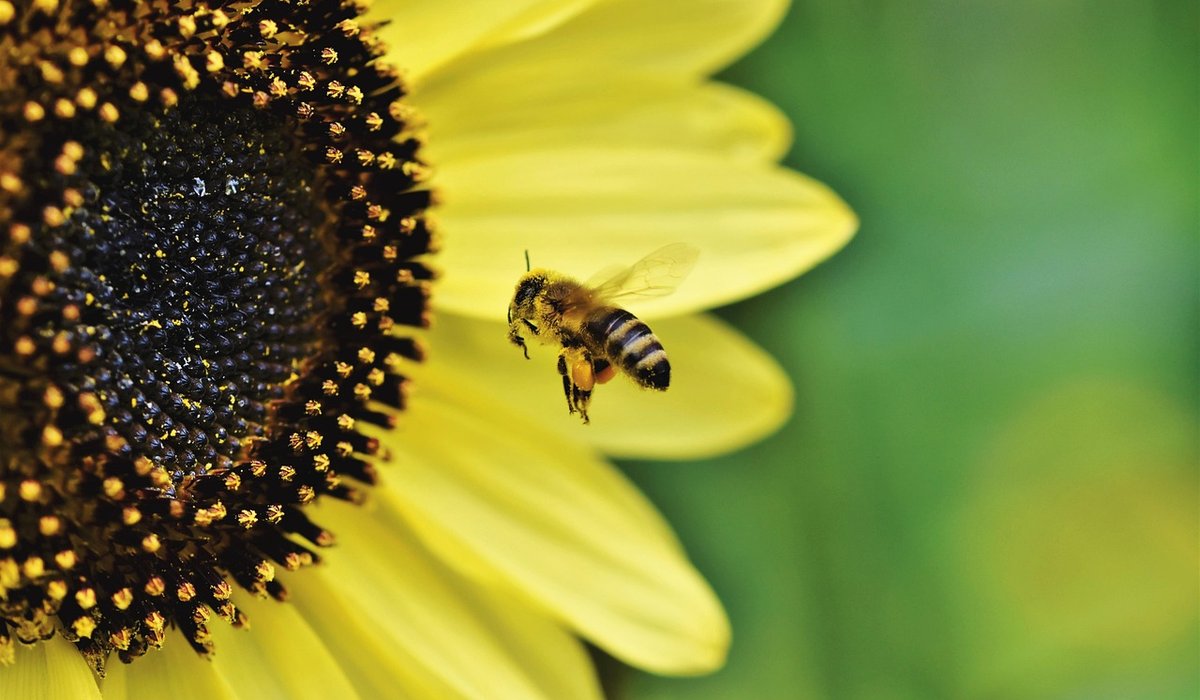
Walls and fences are dead space. A bare brick wall bakes in summer, sheds water in winter and offers almost nothing to a passing bee or a hungry blackbird. Yet that same vertical surface, clothed in native climbers, can become one of the richest habitats in the garden. Climbing plants break up the wind, hold moisture against the masonry, offer sheltered nooks for hibernating insects and nesting birds, and produce nectar, pollen and berries in generous quantities. Best of all, they take up almost no ground space, which makes them ideal for small plots, courtyards and narrow urban gardens.
Choose the right species and you get flowers for months, scent on a warm evening, and autumn colour, all without weakening the wall or crowding out your borders.
Honeysuckle for scent and moths
Our native honeysuckle, Lonicera periclymenum, is the pick of the bunch for wildlife. Its creamy-yellow, pink-flushed flowers open from June into September and release their perfume most strongly at dusk, which is precisely when night-flying moths are on the wing. The long-tongued moths that pollinate it, including the hummingbird hawkmoth and various pug species, rarely visit anything else. Later, clusters of shiny red berries feed thrushes, warblers and dormice where they occur.
Grow it in any reasonable soil, in sun or part shade, ideally with its roots cool and shaded and its head in the light. It will scramble up a shed, an arch, a trellis or an old tree stump. Left unpruned it makes a dense, twiggy tangle, and that tangle is exactly what small birds look for when they build a nest. Honeysuckle is not fussy about pruning: cut back any wayward shoots in late winter, after the birds have finished with the berries, and thin the oldest stems every few years to keep growth vigorous.
Ivy: the best all-rounder for wildlife
Common ivy, Hedera helix, has an undeserved reputation for damaging walls. On sound masonry it does no harm at all, clinging by aerial roots that grip rather than penetrate. It only becomes a problem on crumbling render or pointing, where it can exploit existing cracks. If your wall is sound, ivy is one of the most valuable plants you can grow.
Its virtues are almost absurd. Adult ivy flowers in autumn, from around September to November, when very little else is in bloom, and the greenish umbels are thronged with wasps, hoverflies, ivy bees and late butterflies. The black berries ripen in late winter and are a lifeline for blackcaps, woodpigeons and thrushes when other food has gone. The dense evergreen canopy shelters hibernating butterflies and lacewings, and roosting birds, and it supports dozens of moth caterpillars, including the holly blue butterfly in southern England.
- Prune lightly in spring, ideally in March or early April, to keep it within bounds and avoid disturbing nesting birds.
- Cut in a section of a couple of years' growth each time rather than shearing the whole surface.
- Let some stems flower rather than trimming everything, or you lose the autumn nectar.
- Avoid growing it where it will smother a smaller shrub or invade guttering.
Clematis and other native climbers
Our wild clematis, Clematis vitalba, better known as old man's beard or traveller's joy, is a vigorous thing. Give it a hedge, a fence or a large tree and it will romp, smothering everything in a froth of creamy flowers in summer and silvery seed heads through winter. It is beautiful but it is a thug, and it will swamp a modest border. On a big fence or an ugly outbuilding it is superb, and its fluffy seed heads are used by birds as nesting material.
More manageable alternatives include Clematis alpina and the early-flowering Clematis montana for spring nectar, both of which need a sunny top and cool roots. Whichever you choose, keep the base shaded with a mulch or a low-growing plant and water well in the first two summers.
Other worthwhile natives include wild rose, with its single flowers and hips, and bramble if you have a rough corner where it can be kept in check. Both give nectar, shelter and fruit, and bramble is one of the best plants in Britain for butterflies and moths.
Planting and training for the long term
Get the basics right and climbers will reward you for decades.
- Improve the soil in a planting hole at least twice the width of the root ball, adding garden compost and a handful of slow-release organic fertiliser.
- Plant in autumn or early spring, and keep the plant well watered for the first two growing seasons.
- Fix a sturdy trellis, wire grid or tensioned horizontal wires a few centimetres off the wall so air can move behind the foliage and stems do not stay wet.
- On rendered walls, use a freestanding obelisk or a post-and-wire frame instead, to avoid moisture being trapped against the surface.
- Train shoots in gently and tie them in as they grow. Pinching out the tips of young honeysuckle encourages bushy growth low down, which is where you want the cover.
Think about a combination: ivy for evergreen structure and late nectar, honeysuckle for summer scent, clematis for spring flowers. Layer them so something is in bloom or berry for most of the year, and you will have turned a plain wall into a living feature that hums from April to November.


Coding is used in almost all aspects of life and work now, be it directly or indirectly. It’s not just for companies in the tech sector. “An increasing number of businesses rely on computer code,
Coding is used in almost all aspects of life and work now, be it directly or indirectly. It’s not just for companies in the tech sector. “An increasing number of businesses rely on computer code,
Coding is used in almost all aspects of life and work now, be it directly or indirectly. It’s not just for companies in the tech sector. “An increasing number of businesses rely on computer code,