

Why the season isn't over when the flowers fade
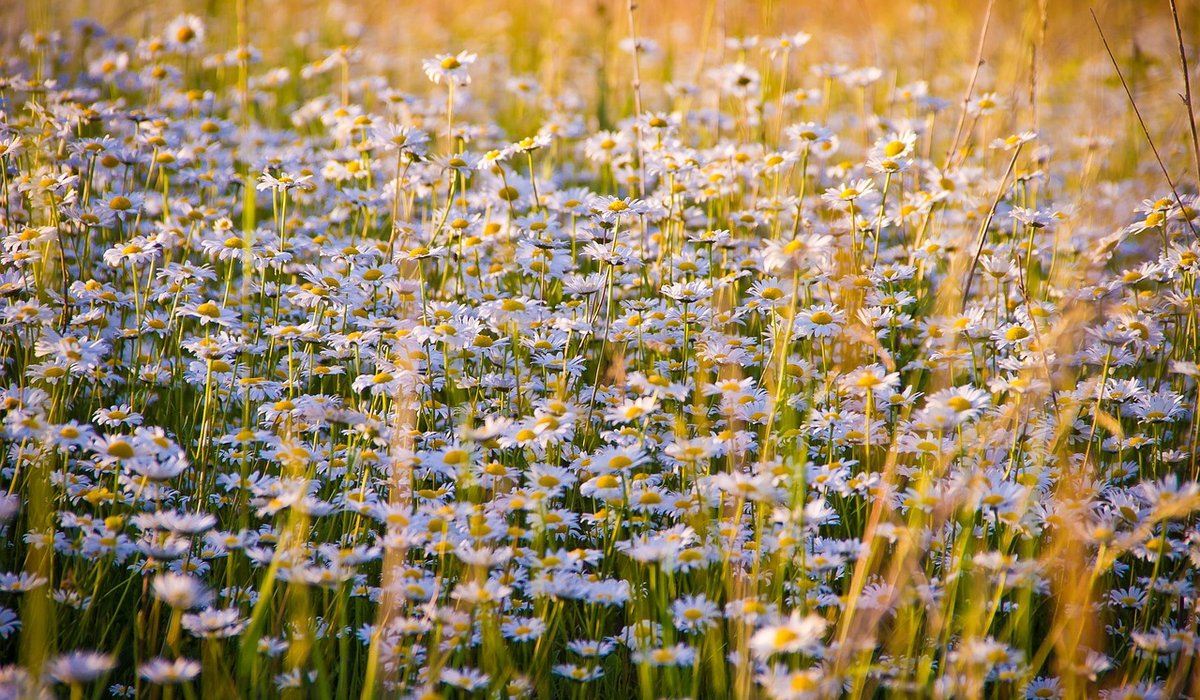
By late July, most UK wildflower meadows have passed their peak. The ox-eye daisies have gone over, the yellow rattle seed heads are rattling in the breeze, and the knapweed is looking tired. It's tempting to reach for the mower and tidy the whole lot away — but that cut, and what you do with the clippings afterwards, is one of the most important pieces of management you'll do all year.
A meadow is not a lawn. It is a farming system, refined over centuries of hay-making and light grazing. The flowers you love in June only reappear because the grasses around them are cropped back hard in summer, which stops the vigorous species from smothering everything else. Get the aftermath right and your meadow quietly improves year on year. Get it wrong and you'll watch it turn into a thick, flowerless mat of rank grass within three seasons.
Timing the late cut
The traditional rule is simple: wait until the flowers have set and shed their seed. In most of lowland Britain that means a cut somewhere between mid-July and the end of August, with the very latest meadows — those on thin chalk or limestone soils, or in the wetter north and west — often left until early September.
How do you know it's time? Look for the seed. When the yellow rattle pods have dried and are releasing their seed with a shake, when the meadow buttercup has turned to spiky green heads, and when the first grass seed heads are starting to shatter, you're safe to cut. Cutting earlier than this strips the annuals of their next generation, and you'll see the diversity drop away.
Aim to cut to around 5–10cm. Close enough to knock the grasses back, high enough to leave the basal rosettes of perennials like knapweed and birds-foot trefoil intact. If you have a large meadow, don't cut it all in one go. Leaving a third of the area uncut until September, and rotating which third each year, gives invertebrates somewhere to retreat to and gives late-flowering species such as devil's-bit scabious a chance to finish.
The essential job: raking off the cuttings
This is the step most gardeners skip, and it's the one that matters most. Leaving cut grass to lie on the ground is effectively fertilising your meadow. Nutrients return to the soil, the coarse grasses and nettles respond with gusto, and the delicate wildflowers that thrive on low fertility are gradually crowded out.
So gather it up. On a small patch, a spring-tined rake and a tarpaulin will do the job in an afternoon. On something larger, a hay rake, a rotary mower with a collector box, or a friendly neighbour with a compact tractor will save your back. Work in dry weather — wet clippings are heavy and claggy, and they can smother the sward beneath them.
- Leave the cuttings in a heap at the edge of the meadow for a few days so seed and invertebrates can drop back out.
- Then move the hay to a compost heap, a wildlife pile, or give it away as mulch or animal bedding.
- Don't burn it on site, and don't leave it in situ "to rot down" — that's just fertiliser with extra steps.
This removal of material, year after year, is what creates the low-nutrient conditions that wildflowers need. It is slow, unglamorous work, and it is the single greatest gift you can give your meadow.
Grazing as a light touch
Where a meadow was traditionally grazed after the hay crop, the aftermath grazing did a second job: it broke up the mat of grass, trampled seed into the soil, and kept the sward open through autumn and winter. You can mimic this on a domestic scale.
If you keep a few hens, moving a small ark over the meadow in short bursts in autumn works surprisingly well — they scratch, manure lightly, and move on before damage is done. Rabbits and deer will do it for you in many gardens, though they can be too selective. If you have access to sheep or ponies, a brief, tightly controlled grazing period from September to November is ideal, at a stocking rate light enough that the grass is taken down but not bare.
The important word is light. Overgrazing in wet weather puddles the ground, poaches the surface and favours thistles and docks. Take animals off as soon as the sward is around 5cm, and rest the ground completely from late autumn through spring so the plants can rebuild.
What to do about the grass that keeps winning
Even in a well-managed meadow, some grasses will try to take over — particularly rye-grass, cocksfoot and vigorous Yorkshire fog. Rather than reaching for a herbicide, use competition and timing against them.
- Cut twice. A second cut in late September or October, with clippings removed, weakens coarse grasses without harming rosette-forming wildflowers.
- Scarify in autumn. A light rake or harrow over bare patches opens ground for seed to land.
- Sow yellow rattle. This semi-parasitic annual taps into grass roots and visibly thins them. Sow fresh seed in autumn onto scarified ground for the best germination.
- Plug in plants. Add small plants of knapweed, selfheal, ox-eye daisy and meadow crane's-bill where the grass is thinnest.
Preparing for next year
Once the cut is done and the hay is cleared, the meadow looks bare and slightly sad. Resist the urge to fill it. A period of rest, from late autumn right through to the following May, is exactly what a wildflower meadow needs — a long, quiet dormancy in which roots deepen and seed sits in the soil waiting for warmth.
Keep off it in wet weather, avoid feeding it, and don't be alarmed by a little moss or bare earth. Come June, with the seed bank replenished and the grasses held in check, the rewards will be there: more colour, more bees, more butterflies, and a meadow that gets better with every year you manage it.


Coding is used in almost all aspects of life and work now, be it directly or indirectly. It’s not just for companies in the tech sector. “An increasing number of businesses rely on computer code,
Coding is used in almost all aspects of life and work now, be it directly or indirectly. It’s not just for companies in the tech sector. “An increasing number of businesses rely on computer code,
Coding is used in almost all aspects of life and work now, be it directly or indirectly. It’s not just for companies in the tech sector. “An increasing number of businesses rely on computer code,