

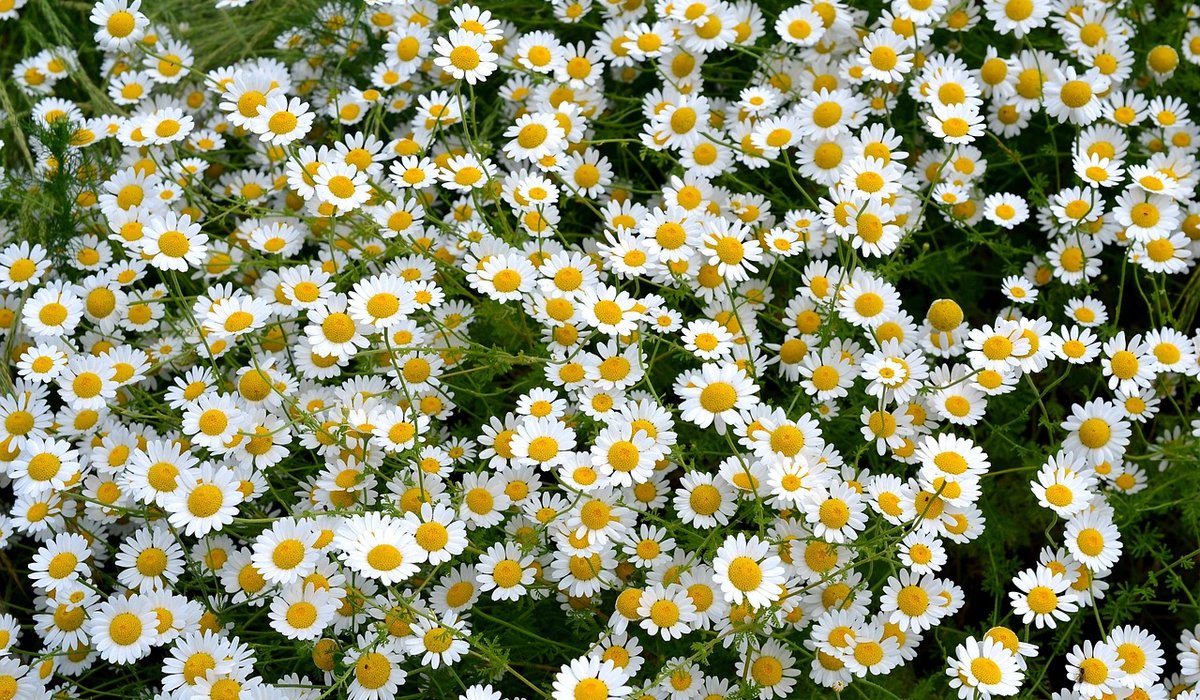
Why spring is a brilliant time to start a meadow patch
There is something quietly hopeful about a patch of bare earth in early spring. The soil is warming, the light is lengthening, and the first bees are already out looking for something to eat. Sow a wildflower meadow now and you give those seedlings a full season to settle in before the heat of summer arrives. Get the groundwork right and you will be rewarded with colour from late spring onwards, then year after year as the patch knits together.
The trick is not to treat wildflowers like bedding plants. They want lean soil, plenty of light and a bit of patience. Do the preparation properly and the sowing itself takes an afternoon.
Choose the right spot and check your soil
Most UK wildflowers thrive in poor, free-draining ground in full sun. A south or west-facing border, a sunny verge or a corner of lawn you are happy to let go wild will all work well. Six hours of direct sun a day is the minimum for a decent display; shade will leave you with grasses and very little else.
Before you sow, look at what is already growing. If your patch is thick with nettles, docks or couch grass, those plants will outcompete young wildflower seedlings. Clear them first and expect to keep clearing them. If the ground is rich and dark, with fat worms and lush weeds, it is probably too fertile. Wildflowers evolved on thin, hungry soils, and on rich ground the grasses romp away and smother everything else.
- Sunny and free-draining: ideal, sow with confidence.
- Heavy clay: work in some horticultural grit or sharp sand to improve drainage before sowing.
- Very fertile soil: strip the top 5–10cm of turf and soil, or grow a crop of something hungry for a season first.
- Shady or waterlogged: choose a different spot, or accept a woodland-edge mix instead.
Prepare bare soil properly
Wildflower seed needs contact with soil to germinate. That means bare ground, not a layer of mulch and not a lawn. Start by removing existing vegetation. For a small patch, cut the growth down low, then skim off the top layer of turf with a spade. For larger areas, a spade or turf cutter will do the job faster than you might think.
Once the turf is off, dig or fork the ground over to a depth of about 15cm, breaking up any clods. Rake it level and firm it gently with your feet or the back of a rake. You are aiming for a fine, crumbly surface with no hollows where water will pool. Leave it to settle for a week or two if you can, then hoe off any weed seedlings that appear. This stale seedbed approach saves a lot of weeding later.
Sowing your seed evenly
Wildflower seed is often sold as a mix with grasses, and the sowing rate on the packet matters. Too thick and the plants crowd each other; too thin and you get bare patches that weeds will fill. As a rough guide, use around 2g per square metre for a grass and wildflower mix, or 1g per square metre for pure wildflower seed.
The seed is tiny and hard to scatter evenly, so bulk it out. Mix it in a bucket with dry sand, sawdust or fine vermiculite at roughly ten parts bulking agent to one part seed. Divide the mix into two and sow half across the patch in one direction, then the other half at right angles. This crossing pattern gives far more even coverage than a single pass.
- Sow on a still day so seed does not blow away.
- Scatter from waist height, walking backwards and keeping your hand low and steady.
- Rake very lightly to just cover the seed, no more than 5mm deep.
- Press the surface with a board or roll it gently so seed makes firm contact with soil.
Watering gently and keeping seedlings alive
Newly sown seed needs moisture to germinate, and spring rain may not be enough. Water with a fine rose on a watering can or a hose set to a soft mist. A hard jet will wash seed into piles and undo all your careful scattering. Aim to keep the top centimetre of soil consistently damp for the first three to four weeks.
Once seedlings appear, water less often but more thoroughly. This encourages roots to go down rather than staying near the surface. If a dry spell arrives just as the seedlings are establishing, a good soak once a week is far better than a daily sprinkle.
Keep an eye out for slugs and snails in damp spring weather, and remove any obvious weeds by hand while the wildflowers are small. Do not feed the patch. Rich soil encourages soft, leafy growth at the expense of flowers.
What to expect in the first year
Be patient. Many wildflowers are perennials that spend their first year building roots rather than blooming. You will likely see annuals such as cornflowers, poppies and corn marigold in the first summer, with the perennials coming into their own the following year. Some grasses will also appear; that is normal and part of the mix.
Resist the urge to cut everything back hard in autumn. Leave seed heads standing through winter for the birds, then cut the whole patch down to about 5cm in early spring and rake off the cuttings. Removing the clippings keeps the soil lean, which is exactly what your meadow wants. Do that each year and the patch will grow richer in colour and life as the seasons pass.


Coding is used in almost all aspects of life and work now, be it directly or indirectly. It’s not just for companies in the tech sector. “An increasing number of businesses rely on computer code,
Coding is used in almost all aspects of life and work now, be it directly or indirectly. It’s not just for companies in the tech sector. “An increasing number of businesses rely on computer code,
Coding is used in almost all aspects of life and work now, be it directly or indirectly. It’s not just for companies in the tech sector. “An increasing number of businesses rely on computer code,